The problem
The crises facing the Sahariya that make our work necessary.
The Sahariya Adivasis are a semi-nomadic community indigenous to Central India. For centuries, the jungle has been a source of livelihood, knowledge, ritual, wisdom and identity.
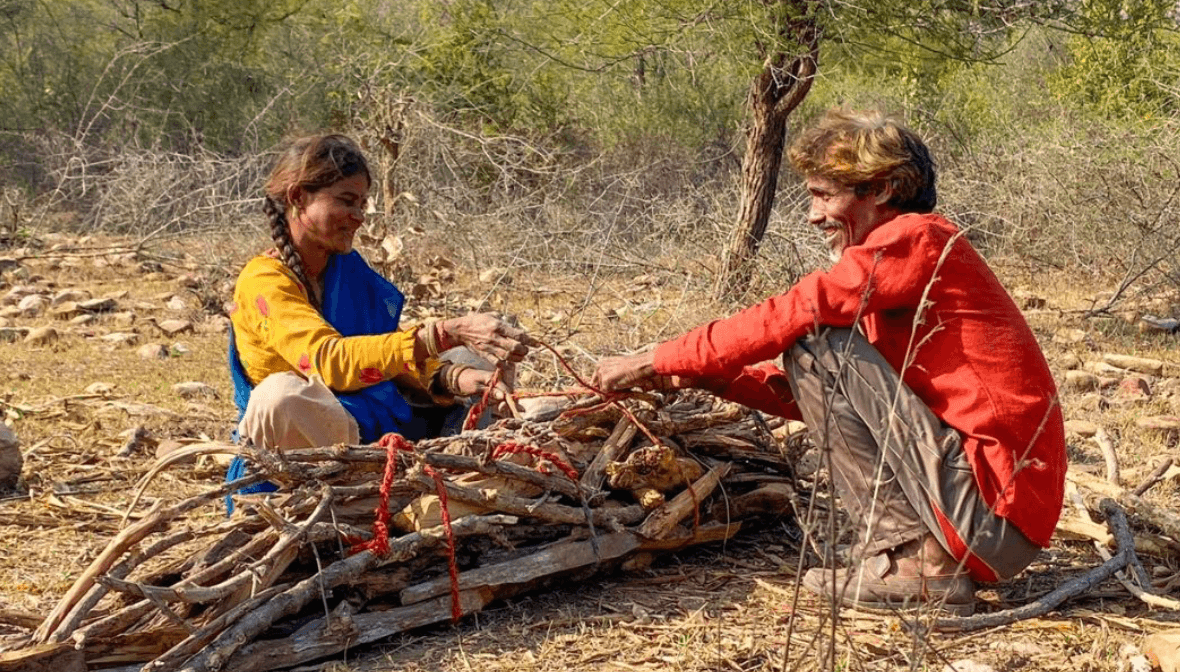
For the Sahariya, “Jal Jungle Jameen” is more than a slogan. It’s the essence for their Adivasiyat.
A history of injustice
Historical shifts have slowly and systematically eroded the Sahariyas’ traditional way of life.
During British rule, forests were declared state property. Adivasis who had protected forests were recast as their destroyers. In the name of scientific forestry, their self-sufficiency was taken away and their presence criminalised. They lost land and legitimacy.
Independence brought constitutional protections and welfare provisions, but many colonial policies persisted. Forest rights were curtailed, communities displaced and established ways of life uprooted.
Over time, Sahariyas were pushed towards settled agriculture. Their entry into the agrarian mainstream brought severe discrimination, exploitation and violence. Landlords, moneylenders and local elites profited from their vulnerability. Survival came at the cost of freedom and dignity.
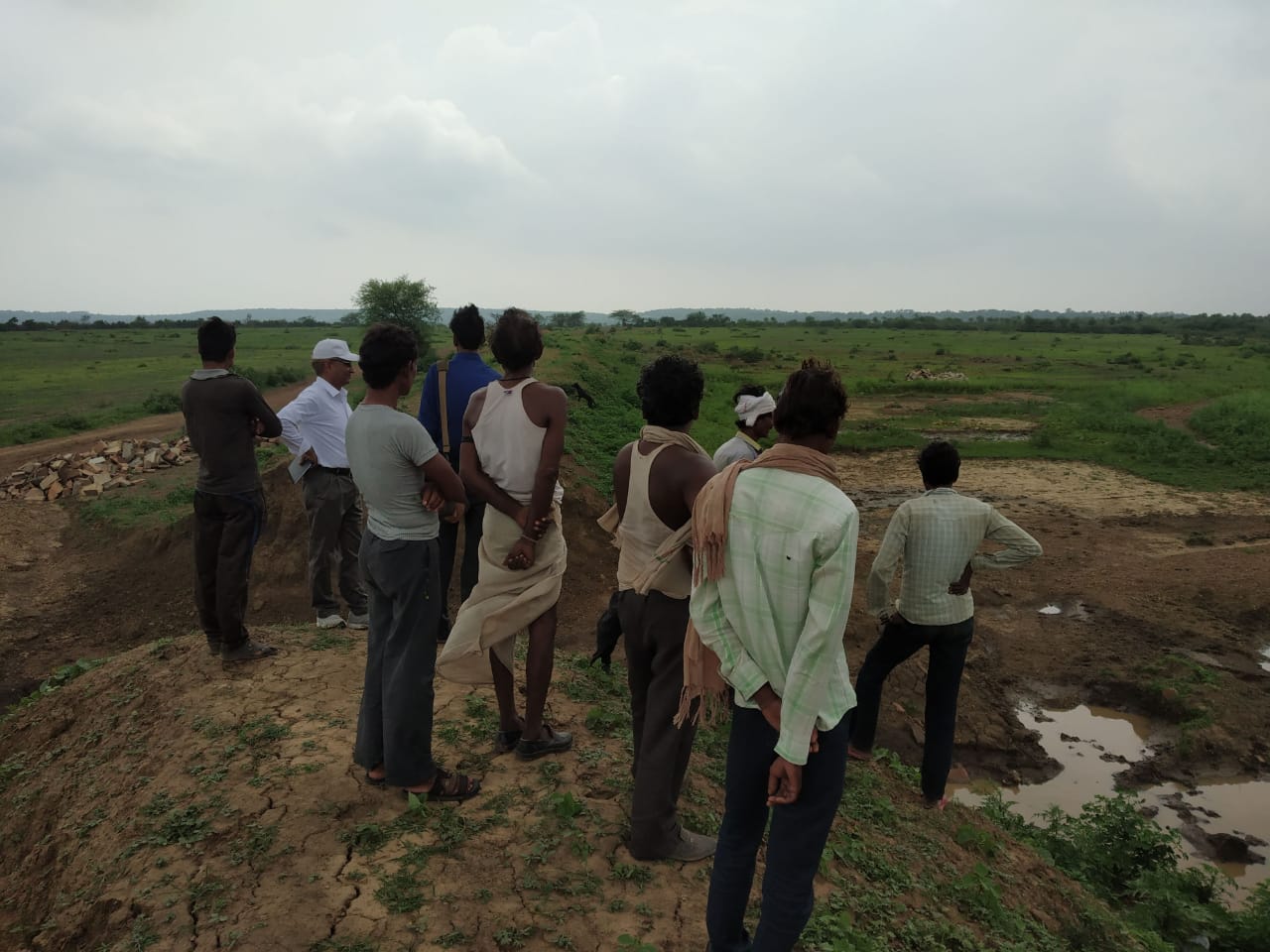
New Balarpur in Shivpuri stands on broken ground. The lake that once gave life is gone, water seeped away, just like their hope. They watch, helpless, displaced, abandoned, and now, left without even water.
An inescapable cycle
The injustice faced by Sahariyas is not a series of isolated events. It is a network of overlapping forces: control by the state, exploitation by the market and exclusion by society.
The state promises empowerment but often acts through control. It separates Sahariyas from Jal, Jungle, Jameen, reduces citizens with rights to passive beneficiaries and allows legal systems to dehumanise the people they are meant to serve.
The market offers the appearance of opportunity while taking away agency. It pushes people into debt, hard labour and unfair wages, seeing value in cheap labour while disregarding ancestral knowledge.
Society traps communities within caste hierarchy and excludes them from schools, healthcare and public life through attitudes, distance and discrimination.
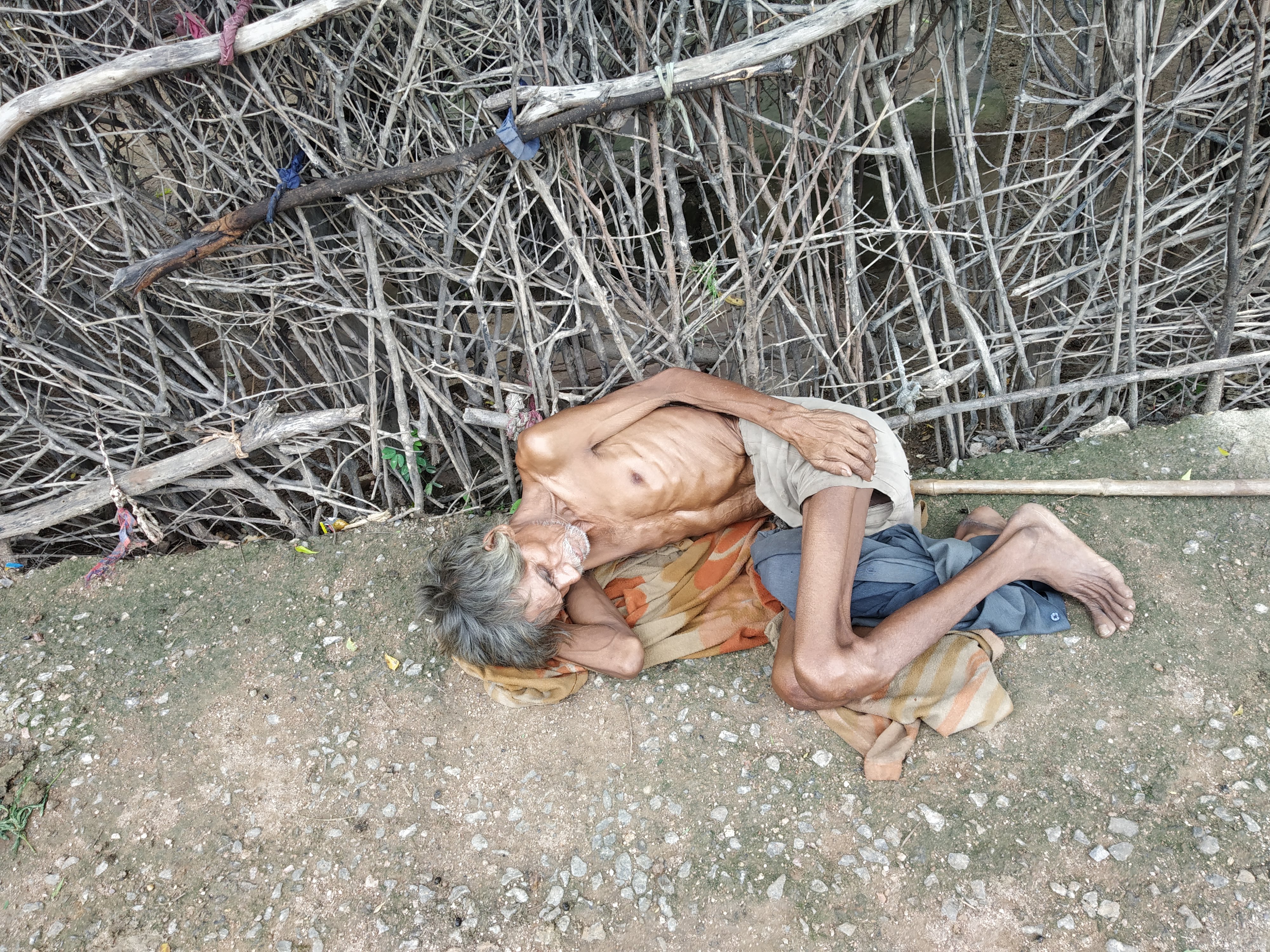
From forest guardians to quarry slaves, the Sahariyas were robbed of land, dignity, and life. A dying elder in Shivpuri breathes his last, lungs filled with the dust of forced labour. One man’s pain embodies a community’s reality of struggle and loss.
Who do the Sahariyas turn to?
When communities fight for land, the law can turn against them. When children seek education, schools may shut their doors. With few choices, families labour in harsh conditions for barely enough to survive. Government schemes carry their names, while outsiders repeatedly study their suffering without producing change.
“We have heard all this before,” people say. “Nothing ever happens.”
The problem is a cycle in which state control, market exploitation, and social exclusion reinforce one another. Breaking it requires more than isolated relief. It requires restoring land, rights, dignity, identity and the collective power to shape a different future.