Our approach
Principles guiding our approach to community-led change.
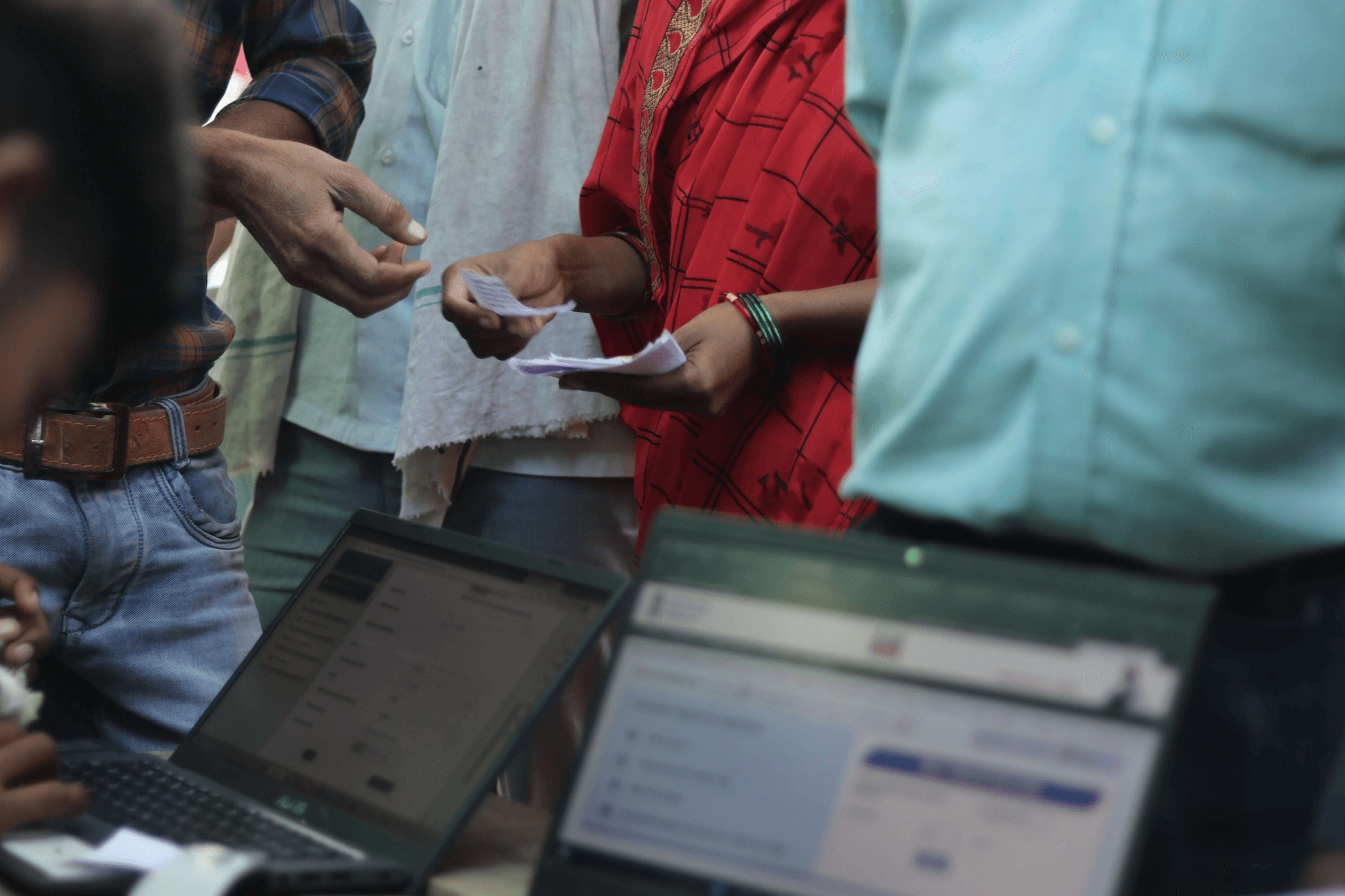
At Sehr, the problem that we are addressing and the reason why we exist requires us to show up in a particular way, embody a particular lens, and approach our work with certain principles.
Breaking cycles of marginalisation demands that we ourselves do not inadvertently reinforce those same cycles through our actions. This requires a clear understanding of how we work and how we don't work — what we're here to do and what we're not here to do.
Following are a few principles to remember:
Sahariyas do not need saving
The most dangerous temptation in this work is the saviour complex: the belief that the communities we work with need external heroes to rescue them. This mindset ultimately reinforces the very power imbalances we need to address.
Our role is not to create, direct, or impose a movement on the Sahariya. Our role is empower them and support them to lead their own movement.
At Sehr, we believe that change must come from within the community. They are the leaders, the protagonists of their own story.
We don’t speak for the Sahariya. The Sahariya speak for the Sahariya. We don’t fight their fight. They fight their fight.
All we do is give them the tools, skills, knowledge, awareness, clarity, and any support they need to stand on their own, act on their own, and determine their future on their own – based on their wisdom, worldview, and aspirations – not ours.
This is fundamentally different. We stand behind, not in front. We act as facilitators, not saviours. And we must always hold ourselves accountable for supporting Sahariya leadership in ways that amplify their voice without stealing their struggle.
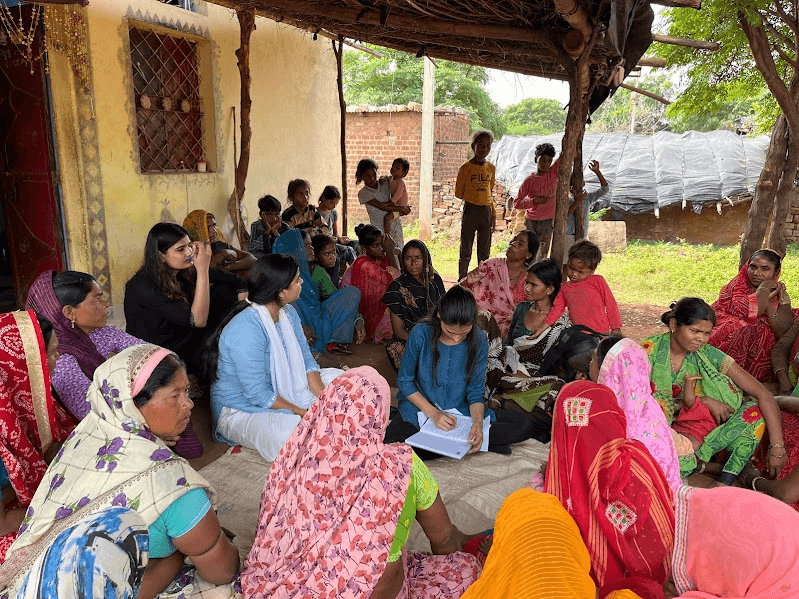
We break cycles, not perpetuate them
A lot of organisations in the development sector fall into the temptation of providing short-term, transactional interventions that may provide temporary relief to the community.
This is understandable. Given the nature of work of this work, it is extremely difficult and ethically challenging not to prioritise improving the lives of the people we are connected with – personally, emotionally. It is natural to be invested in their well-being. But more often than not these measures, these quick reliefs ultimately reinforce their dependency on us. This way we simply become another force in the old cycle because we reinforce the harm by keeping the Sahariya chained in the cycle of dependence.
We are not here to slow down the cycle of oppression and dependency, we are here to help break it. And we must have the moral courage to be able to look at the bigger picture and see the impact of the tiniest of our actions on their long-term well-being.
Our job is not to be the state, the society, or the market
Naturally, there is a huge void in the system where none of the forces are doing its job, which means essential functions are not being met. This leads to a temptation to deliver services, provide access to schemes, help provide employment, but in doing that we often unintentionally end up assuming the job of the state, the society, the market.
This is harmful because it just means all the reason for the systems not to do their job and relinquish their responsibility.
We are not here to do their job. We are here to do our job.
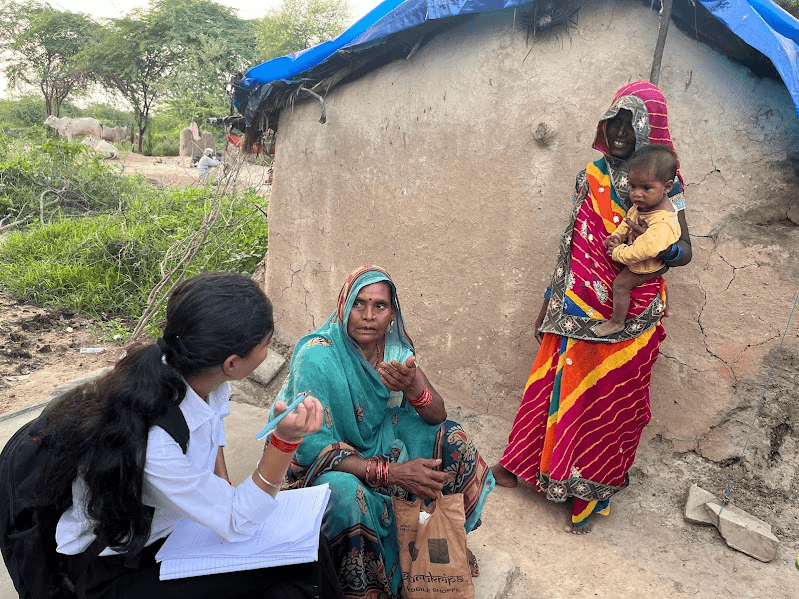
What is our job? Our job is to be a facilitator, not a service provider. Our job is to do the deeper and systemic work of building the community's capacity to organize, advocate, and lead their own change. To create platforms where Sahariyas can unite, share experiences, and mobilize around common goals. To help build a movement that shifts social narratives about Adivasi identity. To create the conditions for transformation to a future where the Sahariyas can live on their own terms.
We work from within the system, not from above it
There will often be a temptation to see the state, market, and society as enemies to be defeated. This antagonistic stance may feel righteous, but it often leads to isolation rather than transformation.
If we truly want to create a new generative cycle that liberates Sahariya, rebuilds their agency, restores their dignity, this is not something we as Sehr or the Sahariya can do in isolation. We are a part of the society, we are a part of the market, we are working from within the system, not from above it.
If we are truly serious about facilitating this new generative cycle for the Sahariya, we need to engage with these institutions. Not as supplicants, but as partners in developing responsive policies, practices, and ways of engaging with the Sahariya. We cannot see them as enemies or inherently evil. They are necessary, non-negotiable actors who are also going to be needed in the new cycle.
It is the relationship of these actors with the Sahariyas that needs to undergo a transformation.
We’re solving for tomorrow, not just for today
Perhaps the most subtle temptation in this work is to measure our impact in terms of breadth rather than depth — counting the number of people "served" rather than the fundamental shifts in power and possibility.
At Sehr, we’re here to facilitate a movement, a change that will last and end these problems permanently. Instead of providing one-off piecemeal solutions, we are here to solve a deep, structural, systemic problem, and we will approach with the depth and seriousness required to solve those problems – and do so permanently.
We are as accountable to the Sahariya of this generation as we are to the future generations.
We must think in generations, not years, not decades.
We should be able to balance meeting immediate needs with long-term structural causes. We must find ways to integrate immediate action with long-term vision — ensuring that each step we take contributes to lasting transformation rather than temporary relief.
Every intervention we design must pass a simple but demanding test: Will this contribute to breaking the cycle of marginalization, or merely make it more bearable? We choose the harder path of transformation over the easier path of improvement, even when that choice is painful in the short term.
There is no linear path, we work through many approaches
There is no single solution, no fixed formula, no straight line that leads to transformation. The issues we are working on are layered, historical, and deeply embedded in structures, systems, and mindsets. They require different tools at different times.
We are not wedded to a single method, we are committed to the mission.
What matters is that all our approach serve the larger goal: breaking the cycle and rebuilding Sahariya dignity, leadership, and self-determination.
We must remain adaptive, always listening to the community and letting context guide strategy.


